
Treat a Denim Tears garment as something throwaway and you write off the value you bought inside a single season. At 2026 market estimates of roughly $250 to $400 for a hooded top and $300 to $500 for jeans, cost per wear only works in your favour if it survives a few seasons of genuine wear. Nothing here is complicated, which is the good news. The materials are heavy cotton, the make is conventional, and the decoration is a print or an embroidery that responds predictably whenever heat, friction and agitation are involved. What separates a piece still looking sharp in 2029 and one that has gone tired by next spring is a small set of habits repeated without fail. What follows runs in the order you will actually need: read the garment, wash it, dry it, store it, and learn when to stop interfering.
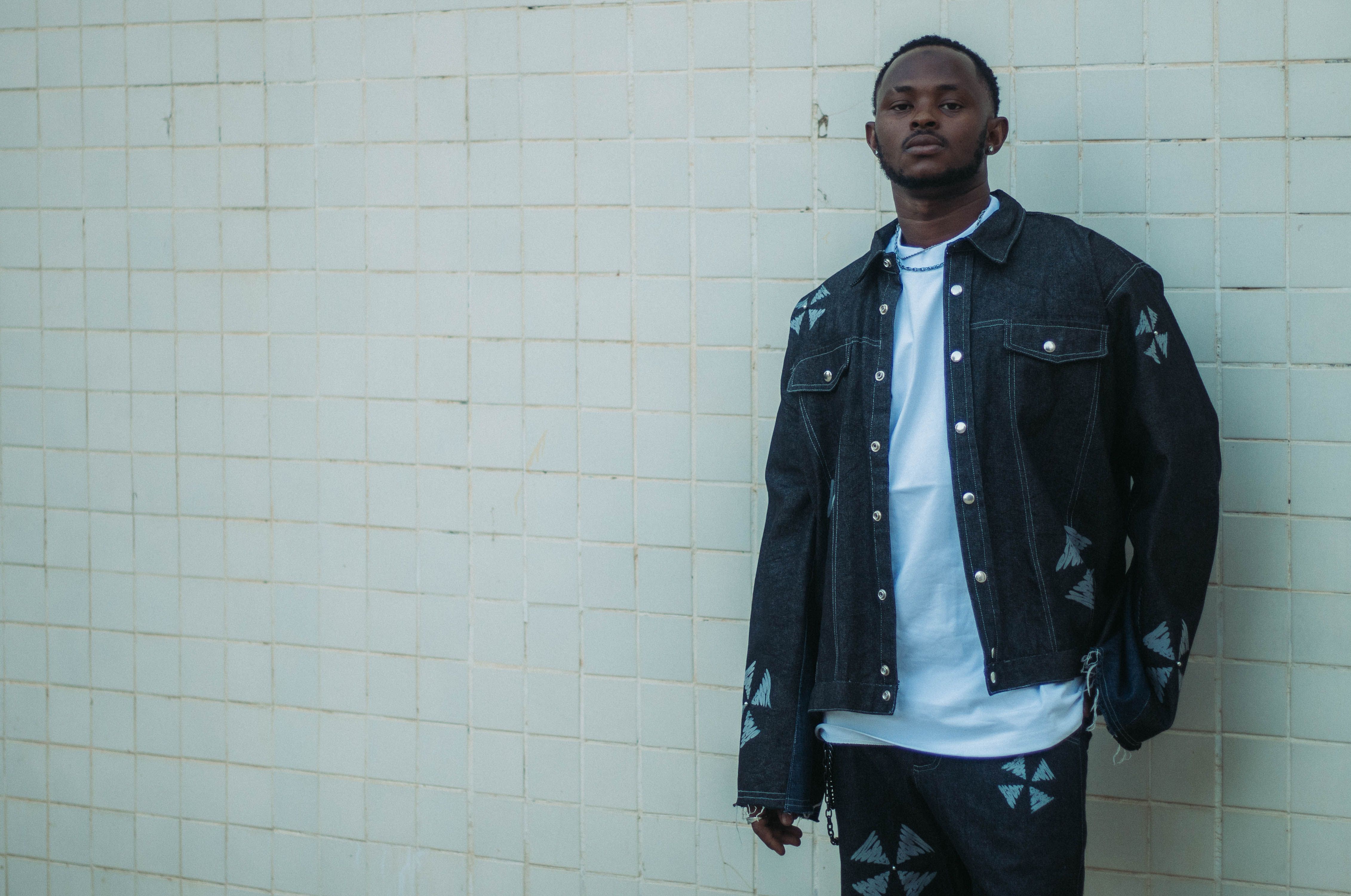
Give the piece two minutes in your hands before it ever meets water. Because a screen-printed graphic, a chain-stitch embroidery and a woven patch all fail in different ways, turn the piece inside out and identify which one you have. A print will feel slightly raised and plasticised against the fingertip and is easily damaged by heat and stretching. Embroidery holds up well against fading and stands off the cloth, though it can snag on zips and washing-machine drums. The base cloth is the next thing to read: expect heavyweight fleece around 380 to 480 gsm and jeans denim in the 12 to 14.5 oz bracket. Take note of the hardware as well, since metal buttons and rivets are the parts most likely to scratch a neighbouring garment in a full load.
Change one habit and make it denim tears hoodie the temperature: cold is the highest-value decision here. Make 30°C (86°F) your default and treat 40°C (104°F) as an absolute ceiling you rarely need to reach. Pick the gentle or delicates setting and limit the spin to roughly 400 to 600 rpm, because hard spinning stretches shoulders and pulls hems out of shape. Choose a near-neutral pH liquid detergent and use roughly half the dose printed on the bottle, since too much surfactant leaves residue, dulling indigo and stiffening fleece. Avoid chlorine bleach entirely, and treat with equal suspicion detergents built around optical brighteners, which cast an artificial cool tint across ecru and off-white grounds. Fabric softener is best skipped as well, because it coats the fibres and kills the absorbency that gives heavy fleece its comfort in the first place.
Consistency matters more than cleverness here, so set a sequence and follow it every time. Under five minutes of active handling is all this takes, and it closes off most of the common failures. Before it goes in, fasten anything that can catch, empty the pockets and shake the garment out. Keep the load light enough that items can move freely, because a crammed drum increases abrasion on the print. Towels and bedding are the wrong company: keep to similar colours and similar weights. Then follow the order exactly, without improvising a hotter cycle because something looks stubborn.
It is the dryer rather than the washer that ruins most Denim Tears pieces, and the damage is rarely dramatic. Cotton fleece loses about 3 to 7 percent on a first hot cycle, and the piece never comes back to size. Printed graphics are embrittled by heat too, which is why an aggressively tumbled Denim Tears hoodie develops fine cracking across the chest after a year rather than five. Default to air drying, drying knitwear flat on a rack or a dry towel so wet cotton cannot pull the shoulders out of shape. A heavyweight hoodie needs roughly 12 to 24 hours indoors, well away from direct sun, since sun fades dark grounds unevenly. When the dryer is unavoidable, use the lowest heat setting, pull it out slightly damp and lay it flat to finish.
Denim Tears jeans cut from a rigid or lightly treated base call for a different rhythm from everything else in the wardrobe. Given that the fades are part of the appeal, owners tend to wash far less often, usually somewhere between every 10 and 30 wears according to climate and activity. An overnight airing does more for odour than most people believe, and the urge to over-wash disappears with it. Turn them inside out and run 20°C to 30°C water, and use no detergent at all if you only want to reset the fibres on the washes you do run. Dry them hanging from the waistband and budget 24 to 36 hours, since heavy denim holds a surprising amount of water. Twisting a 14 oz fabric distorts the leg seam and leaves creases that never fully settle, so leave the wringing alone.
Storage is where good habits quietly compound over years. Narrow hangers slowly pull the shoulder line out of shape, so fold heavyweight fleece rather than hanging it. Let every piece breathe on the shelf, since a printed panel held under pressure for months keeps the crease. Look for a steady environment around 45 to 55 percent relative humidity and well away from radiators, exterior walls and direct light. Cotton storage bags are far better than plastic or vacuum bags, which seal in moisture and leave a musty note that takes several airings to lift. Below is a short checklist of off-season essentials, kept deliberately simple.
A ten-second look at the table below covers the whole routine. Cooler water protects both the indigo and the print, so take the figures as ceilings rather than targets. Hot weather and exercise both shorten the intervals, which otherwise assume ordinary indoor wear in temperate conditions. Indoor air drying at normal room temperature with reasonable airflow is what the drying times assume. The last column carries the one failure most likely to occur, and it is generally what deserves your attention. None of this changes for a collaboration release rather than a mainline piece.
| Garment | Max wash temp | How often to wash | Drying approach | Main risk |
|---|---|---|---|---|
| Hooded sweatshirt (fleece, roughly 380–480 gsm) | 30°C / 86°F | Every 5–8 wears | Dry flat, 12–24 hours | Heat-driven print cracking |
| Jeans (roughly 12–14.5 oz) | 30°C / 86°F | Every 10–30 wears | Dry hanging, 24–36 hours | Uneven fade and shrinkage |
| Tee, roughly 180–240 gsm jersey | 30°C / 86°F | Each wear | Dry hanging, 4–8 hours | Collar losing its shape |
| Cotton sweatpants | 30°C / 86°F | Every 3–5 wears | Dry flat, 10–18 hours | Cuff and waistband slackening |
| Cotton shorts | 30°C / 86°F | Every 2–4 wears | Hang dry, 6–12 hours | Distorted hems |
Some marks on a well-worn garment are simply part of it. Soft cuffs, a slightly relaxed hood opening and faded knees are evidence of a garment that has actually been worn, and stripping that away with aggressive laundering does more harm than good. Structural problems, by contrast, deserve early attention: repairing a loose belt loop or popped side seam costs little, while ignoring it costs plenty. Seam repairs and hem reinforcement cost roughly $15 to $60 in most cities as a 2026 estimate, which is nothing beside a $300 to $500 replacement. Manage pilling with a fabric shaver, used sparingly and never over a printed area. The realistic goal with any Denim Tears purchase is to keep it structurally sound rather than pristine, letting the surface earn some history.
